

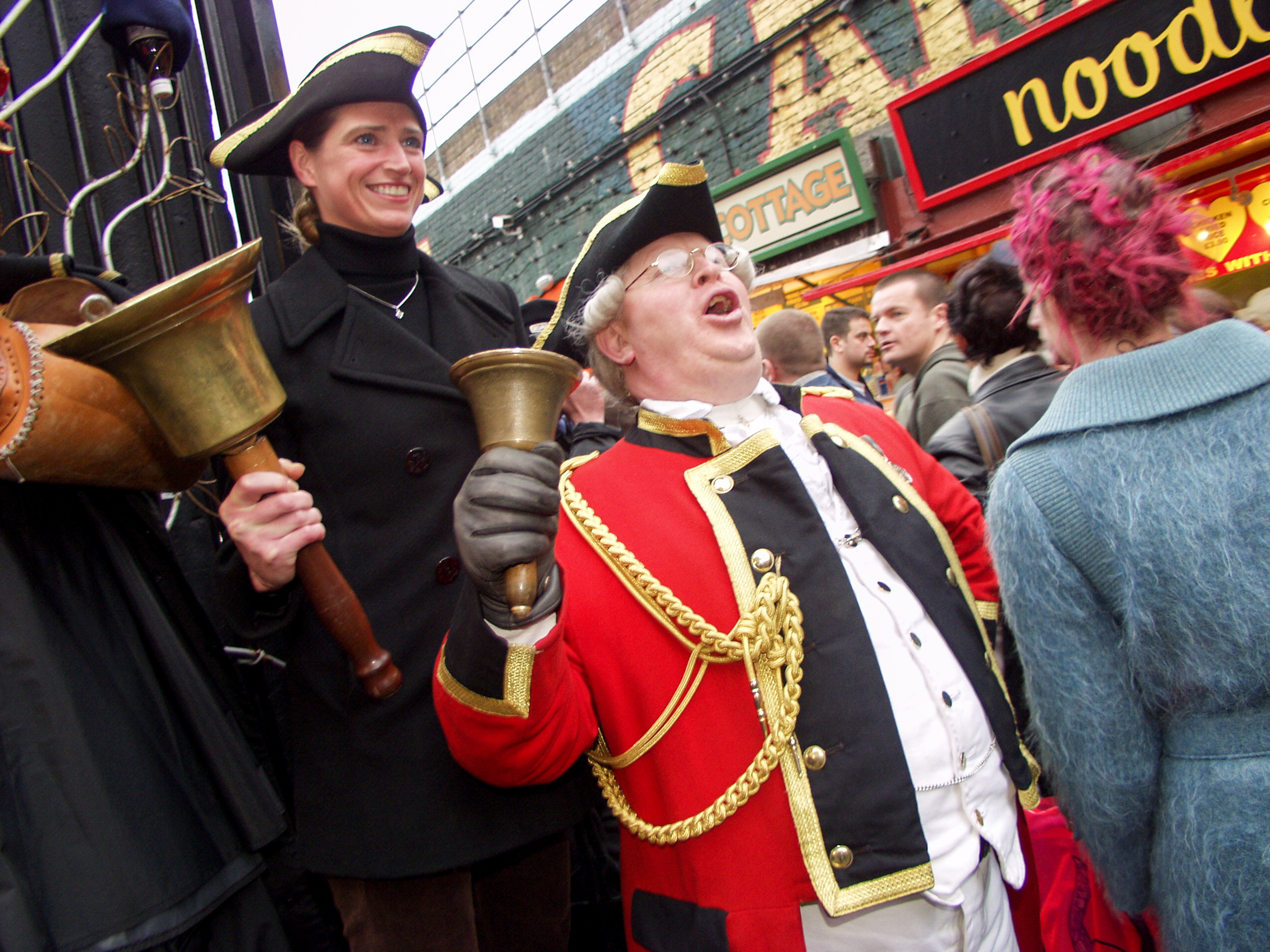
There’s no better feeling than scoring a coup at a street market, and if you’re in London on a merry weekend, all the better.
You could spend a whole weekend wandering London’s markets in 2027 and still miss half of them. Depending on how you count, there are somewhere between 50 and 100, covering food, antiques, clothes, books and a fair number that defy categories. Some open one day a week, others nearly every day. The stalls sell everything from vinyl records to Christmas baubles to old suits of armour. I’ve been to a good share of them, and these are the ones to start with.
For an official overview of the city’s markets, see Visit London’s market guide.
Portobello Road Market: antiques and vintage in Notting Hill
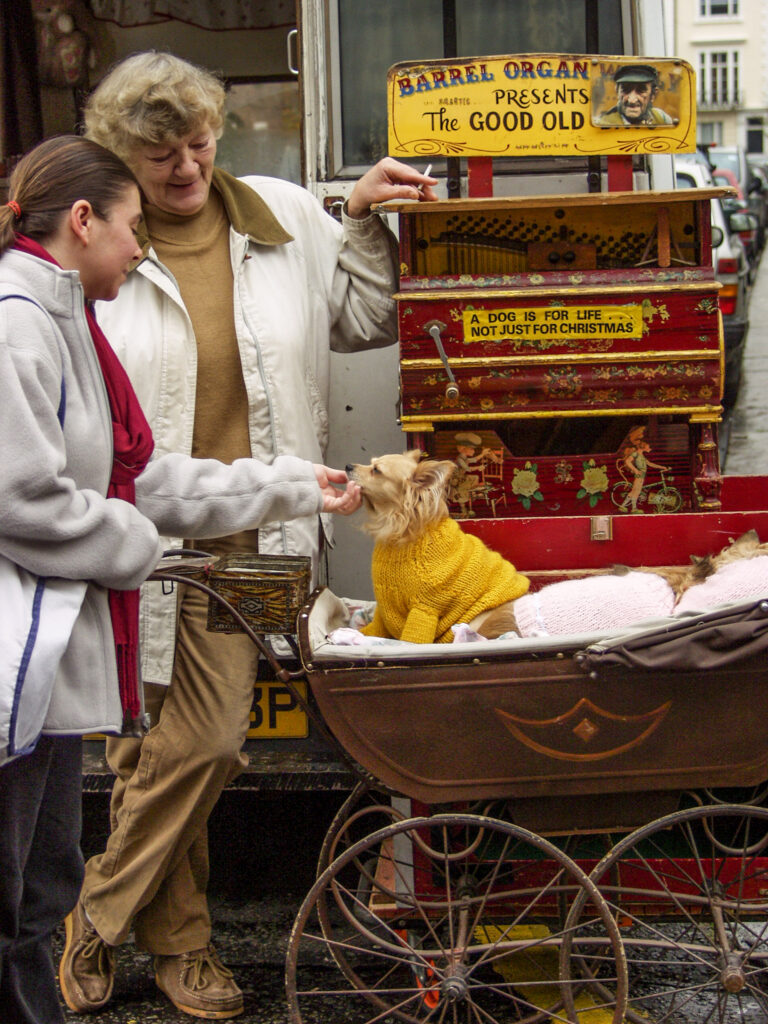
If you want something specific, or have no idea what you want, start here. Portobello is famous enough to have turned up in several British films, and it’s still the best place in London for antiques. There has been a market on this street since the 1800s, and it has been known for antiques since the 1950s.
It works like three markets in one. The southern end has the antiques, the middle has fruit and vegetables, and the northern end is a big vintage and second-hand market. Look for vintage clothing (stalls cover everything from the 1930s to the 1960s) and silver jewellery. Walking the whole thing takes hours!
Saturday is the main day, with well over a thousand stalls. On weekdays there are fewer antiques dealers, so come on a Saturday if antiques are the point.
Open: Monday to Saturday, with Saturday the best day.
Getting there: Notting Hill Gate or Ladbroke Grove tube.
Also read about The Ermine Street Guard
Borough Market: London’s best-known food market
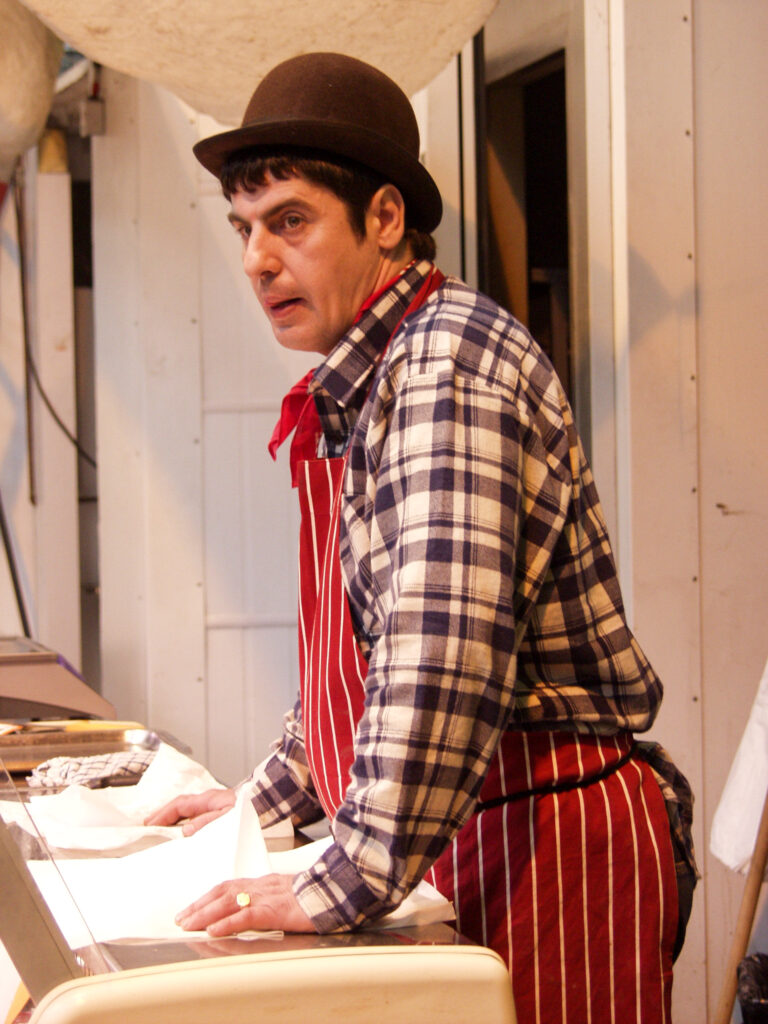
Borough Market sits under the railway arches by London Bridge, and it has traded in some form for around a thousand years. It’s all about food, in every variety. Chefs and food writers are known to hang out there, and you may recognize them if you’re an avid foodie.
Bread Ahead is known for its filled doughnuts, and Brindisa for its chorizo rolls. It’s also the right place to fill a picnic basket if you have the bright idea to spend an afternoon in the park.
Go before a meal if you dare, you will not return hungry. Saturdays are the busiest, and the crowds peak in the afternoon.
Open: Tuesday to Friday 10:00 to 17:00, Saturday 09:00 to 17:00, Sunday 10:00 to 16:00. Closed Mondays. Hours change around Christmas and bank holidays, so check the market’s website before you go.
Getting there: London Bridge tube or rail.
Old Spitalfields Market: covered and historic
Under its Victorian glass roof, Old Spitalfields has fashion, art, design and food, with themed days through the week. It’s one of the best places in London to find independent designers, from jewellery to prints and homeware. The site has been a market since the 1600s, when the area outside the city walls was used to trade meat, fruit and vegetables. It received a royal charter in the 1680s and grew quickly into one of London’s key trading places. The market hall you see today dates from the 1800s and is protected.
It’s a good option in rain, since you stay dry. Thursday is the best day for antiques. It’s also a short walk from Brick Lane, so the two combine well.
Open: Daily.
Getting there: Liverpool Street station.
Brick Lane Market: vintage clothes and street food in the East End
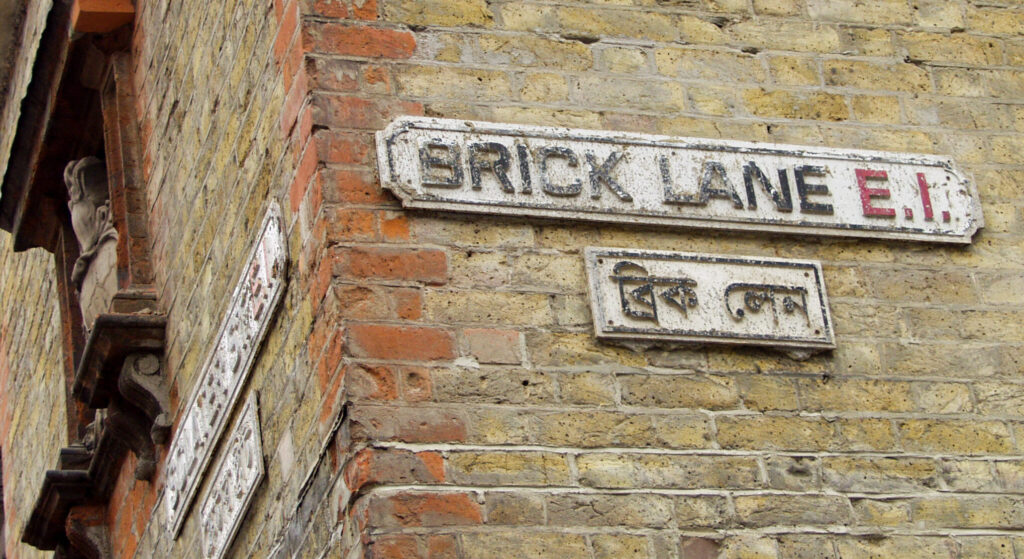
The East End’s market has cleaned up. It’s less rough than it used to be and a good deal more hipster, though it still has its own character. It isn’t cheap any more (I was there when it was!) but the selection is huge. Sunday is the day to go. The Sunday Upmarket has more than 200 stalls, including a food hall with around 40 traders, and the area around the old Truman Brewery holds several smaller markets covering vintage, design, second-hand goods and street food. Brick Lane is also London’s curry street, so lunch is sorted. Beigel Bake, a short walk away, is open 24 hours a day if you need a bagel at an odd hour.
Open: Saturday and Sunday, with Sunday the busiest.
Getting there: Aldgate East or Shoreditch High Street.
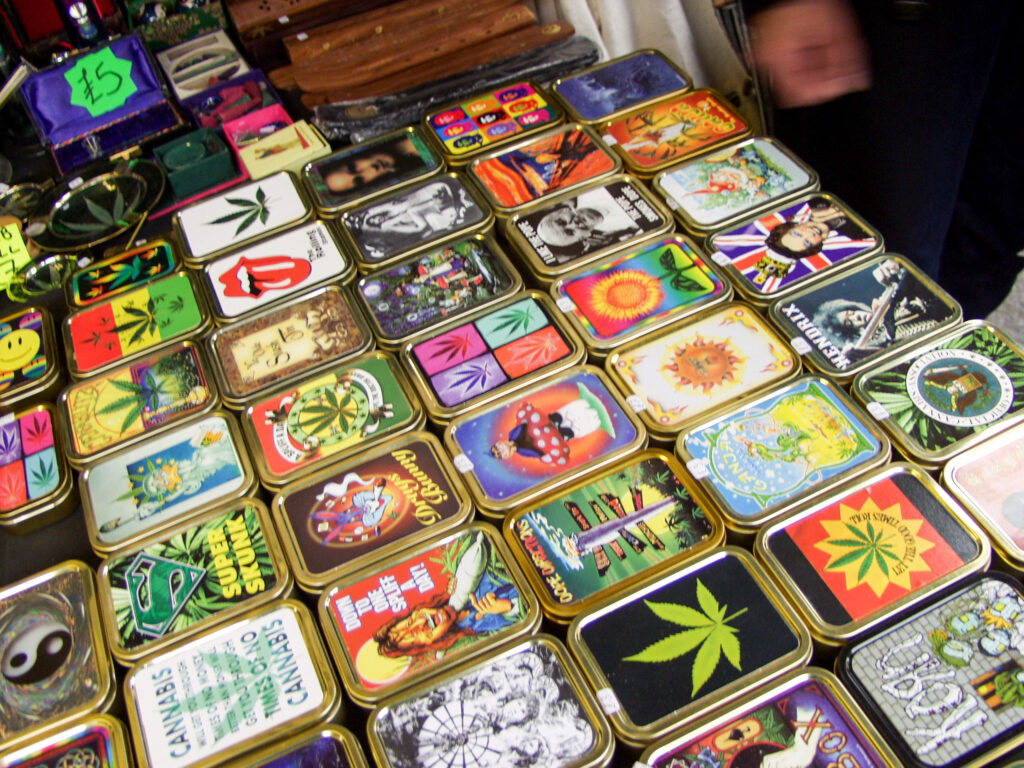
Camden Market: alternative shopping
Camden is one of London’s biggest tourist attractions, and with good reason. It’s also the largest market on this list, with more than 1,000 stalls, shops and food vendors. You’ll struggle to find a more mixed crowd anywhere: ageing pierced and tattooed punks, families with children, and visitors from every country. It’s the place for music, textiles, art or a cheap lunch, and there are antiques, too. The Stables Market is the best part for vintage and independent designers. Some of the food vendors hand out samples, so you can taste before you commit.
Open: Daily, roughly 10:00 to 19:00.
Getting there: Camden Town tube.
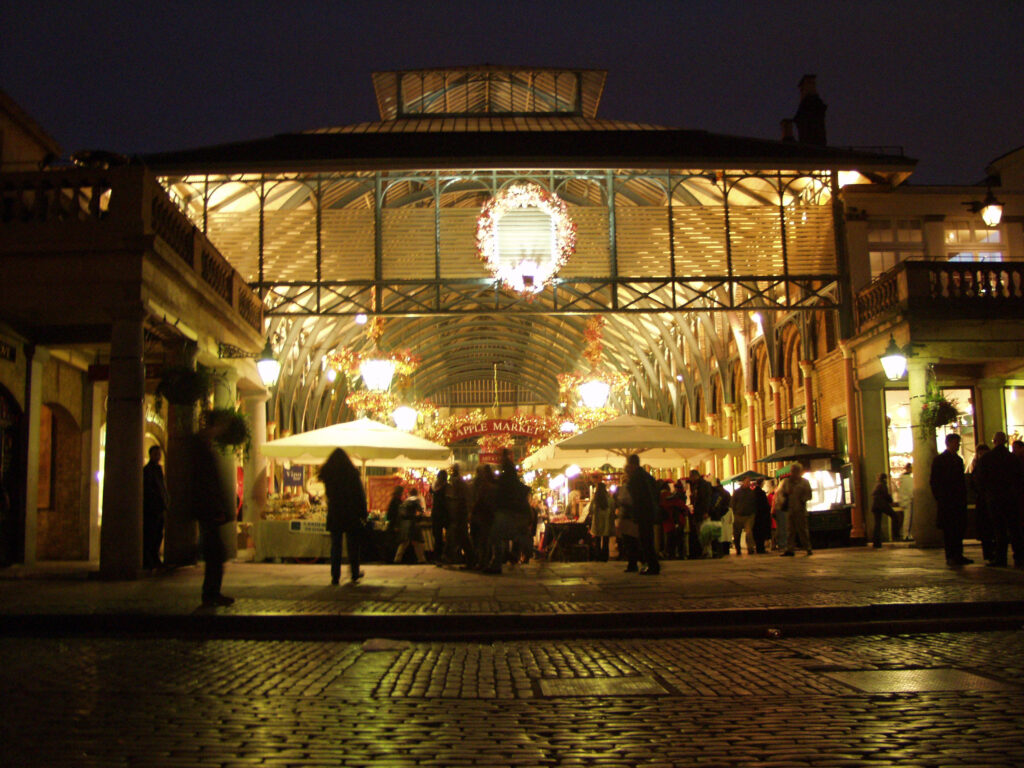
Covent Garden Market: crafts and street performers
Covent Garden is really three markets around the Piazza. Apple Market sells British-made crafts and accessories, the East Colonnade has a mix from sweets to magic tricks, and Jubilee Market does arts and crafts, mostly at weekends.
The iron-and-glass market hall dates from 1830, so look up. Street performers work the Piazza, and the London Transport Museum is right next door. It’s touristy and easy to fit into a West End day.
Open: Tuesday to Sunday, roughly 10:30 to 19:30 (shorter hours at weekends).
Getting there: Covent Garden tube.

Columbia Road Flower Market: Sunday morning in the East End
This is the best way to start a Sunday in London. The street is packed with plants and cut flowers, and the sellers are as quick with their patter as ever. Along both sides there are small independent shops, bakeries and cafés.
Arrive early for the best choice, or late in the afternoon if you want bargains, when the sellers start cutting prices to avoid carrying stock home.
Open: Sunday only.
Getting there: Hoxton Overground, or a walk from Shoreditch.
Bayswater Road Art Market: an open-air gallery by Hyde Park
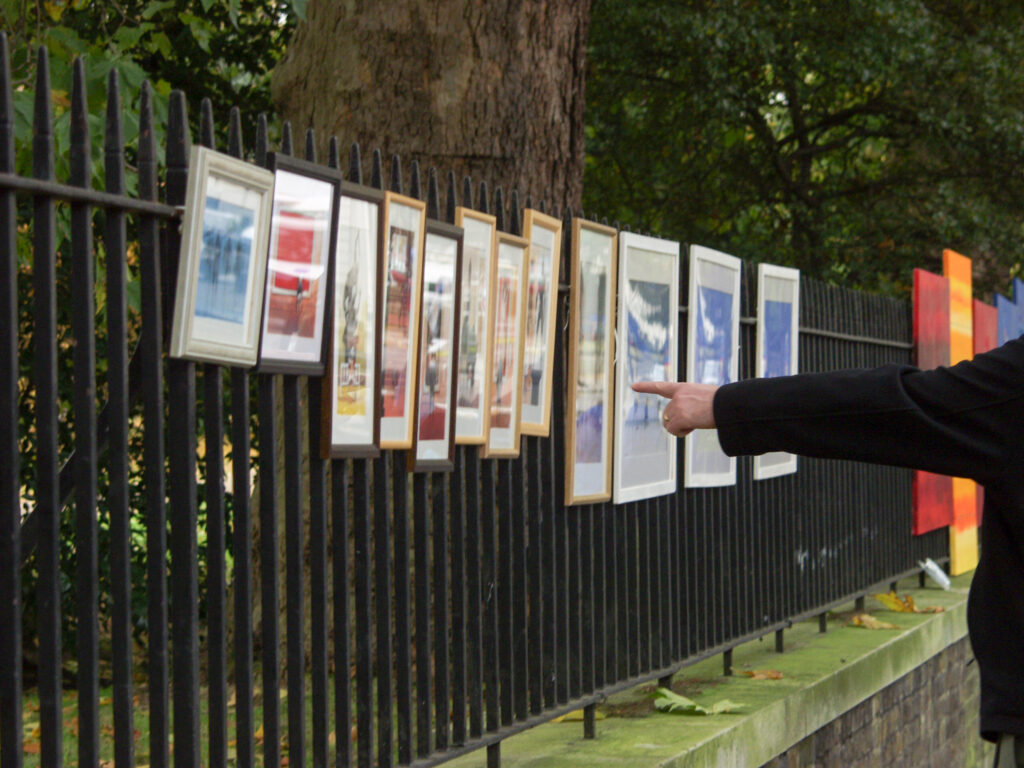
On Sundays the southern stretch of Bayswater Road, next to Kensington Gardens, turns into a long outdoor gallery. Artists hang their work side by side along the railings: oil paintings, watercolours, drawings, a few sculptures and handmade jewellery. Some will draw your portrait on the spot. You don’t need to buy anything to make the walk worthwhile. Stroll along the line and talk to the artists.
Open: Sunday, 10:00 to 16:00.
Getting there: Lancaster Gate or Queensway tube.
Brixton Market: South London’s most varied market
Brixton is one of London’s liveliest and most diverse markets. Electric Avenue is the place for exotic fruit and vegetables, and for Caribbean, African and South American groceries (it was among the first streets in London to get electric street lighting, which is where the name comes from). Brixton Village and Market Row are now established food and culture areas, so you can combine a market walk with a lunch from almost anywhere in the world, including Ethiopian and jerk chicken. The arcades stay open into the evening, so Brixton also works for dinner.
Open: Monday to Saturday for the street market. The arcades are open daily, with late hours Tuesday to Sunday.
Getting there: Brixton tube.
Greenwich Market: crafts and a day out by the river
About 150 stalls sell handmade crafts, art, jewellery, photography and pre-loved items, and a central food hall serves everything from dumplings to curries, with plenty of vegan options. It sits in a UNESCO World Heritage area, close to the Cutty Sark, the National Maritime Museum, the Royal Observatory and Greenwich Park, so it works as the centre of a full day out. You can also arrive by boat on the Thames.
Open: Daily, 10:00 to 17:30.
Getting there: Cutty Sark (DLR), or by river boat.
Also read about Falconry in Britain
Coal Drops Yard: new-generation markets at King’s Cross
Two weekly markets share this restored Victorian site. Canopy Market sells food, design and crafts, and its stalls change often. Shōtengai is a pan-Asian market with food and products, running Thursday to Sunday. The setting is the glass-and-steel roof of the West Handyside Canopy, just off Granary Square. It gets crowded around lunchtime, so go early, and leave the buggy at home if you can.
Open: Thursday and Friday 12:00 to 19:00, Saturday, Sunday and bank holidays 11:00 to 18:00.
Getting there: King’s Cross St Pancras.
Bermondsey Antique Market: for early risers
Bermondsey has an old reputation as the market where thieves could sell stolen goods without legal consequences, thanks to an old rule that gave certain markets special trading rights. That rule is long gone. Today the market on Bermondsey Square is a gathering point for antiques hunters and vintage enthusiasts, and the serious dealers arrive very early. If you want the best finds, get there at dawn. If you want a lie-in, you will still find things, but the good pieces will be gone.
Open: Friday.
Getting there: London Bridge or Borough tube.
Petticoat Lane Market: clothes and fabrics
Petticoat Lane has been known for cheap clothes and colourful fabrics for generations. The market runs along Middlesex Street and the side streets around it. Sunday is the big day, though there’s activity on weekdays too.
Open: Monday to Friday and Sunday.
Getting there: Aldgate or Liverpool Street.
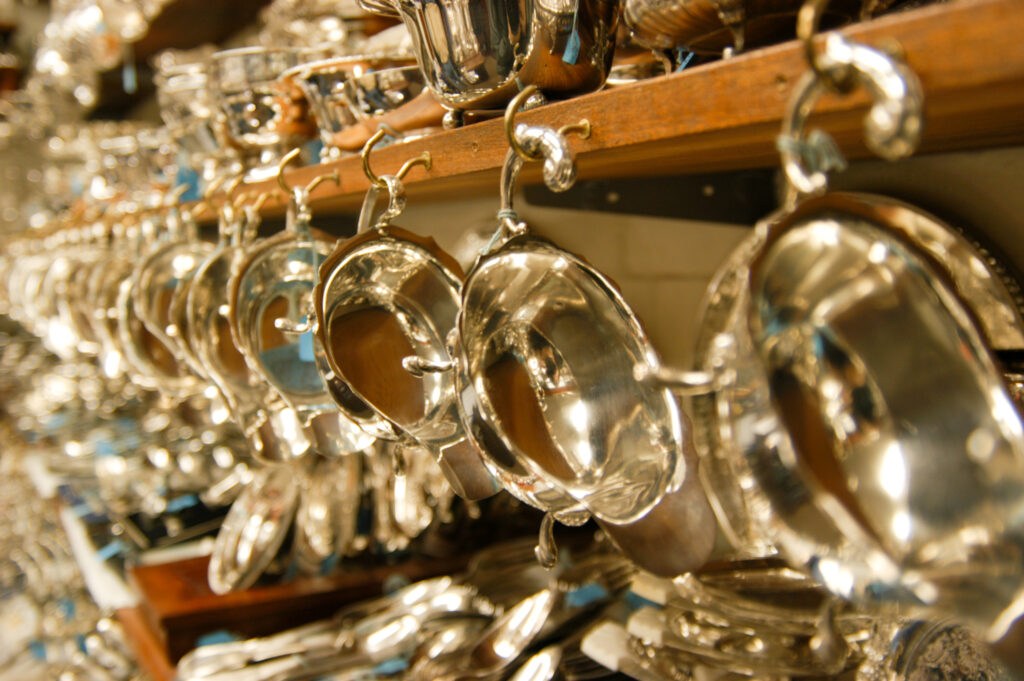
London Silver Vaults: a market underground
This one isn’t a street market, but it belongs on the list. Below an office building on Chancery Lane, about 30 family-run dealers sell antique and contemporary silver: cutlery (silverware), candlesticks, tea sets, jewellery and a good deal more. The vaults were built for a Victorian safe deposit company, and you still walk down to a big black safe door to get in. Entry is free and you can browse without buying. Many of the dealers will also value silver you bring in.
It’s a good plan for a weekday, or a Saturday morning when you’ve done the markets.
Open: Monday to Friday 09:00 to 17:30, Saturday 09:00 to 13:00. Closed Sundays and bank holidays.
Getting there: Chancery Lane tube, a few minutes’ walk to the entrance on Southampton Buildings.
A few more worth knowing
- Maltby Street Market (Saturday and Sunday) is a smaller, calmer food market under the railway arches in Bermondsey. It’s a good alternative when Borough is too crowded.
- Broadway Market (Saturday) is a food and local-produce market in Hackney, near London Fields.
- Southbank Centre food and book markets sit behind the Royal Festival Hall and under Waterloo Bridge, mainly at weekends. Check days before you go.
- Camden Passage in Islington is a quieter antiques street, mostly open Wednesday and Saturday.
Practical tips
- Go early. The best finds and the thinnest crowds are in the first hours.
- Bring cash. Most stalls take cards now, but not all, and small traders appreciate cash.
- Haggle politely at antiques and vintage stalls. It’s expected, but not at food stalls.
- Watch your pockets in Camden, Portobello and Borough on busy days.
- Check opening days before you go. Hours change with seasons and holidays.