
Drive north in Malawi, toward the Nyika Plateau, and the tarmac simply gives out on the plain, where the horizon meets the mountains in the distance. Hold on tight. Out here, nature is in charge.
It’s the dust and the sand and the wind that rule over everything and everyone up here. Everyone walking along the road — sometimes for kilometers, to fetch water or firewood, or dressed in their best clothes on the way to church, or cycling with goods strapped to the frame — all of them appear out of a great cloud of dust ahead of us and vanish again in the rearview mirror, wrapped in yellow sand.
Flood and Drought
We are four Norwegians heading north from the town of Rumphi to see Nyika National Park, after a week of intense work further south in the country. We’ve been filming and photographing the dry landscape of Malawi, visiting smallholder farmers who are having to change their farming methods to cope with climate change. In Malawi, everything has grown more extreme — huge floods that sweep away farmland and homes in the rainy season, intense heat and shrinking harvests in the dry season.
The wind is fierce, whipping across the land. It hasn’t let up in a week. The roads we’re driving feel like full-on off-roading.
On top of the drought, there’s another crisis in Malawi: a fuel shortage. We’ve managed — we’ve filled two large jerry cans with diesel waiting for us in Mzuzu, for the drive back down to the capital, Lilongwe. We’ve passed gas stations with lines of cars stretching for kilometers. People wait for hours, sometimes an entire day, for a tanker truck to finally arrive with fuel from Mozambique, Tanzania, or Zambia.
After several hours of driving we reach the entrance to the national park, and once we’ve checked in with the ranger and paid the park fee in US dollars, we’re inside. This is Malawi’s largest national park, a 3,200-square-kilometer stretch of land.
The Residents
The first to greet us is a troop of baboons living in the trees along the southern edge of the park. Then we start spotting the other residents — steenbok, waterbuck, dik-dik, reedbuck, eland, warthog, and 400 different bird species. It feels like we’re the only humans for miles.
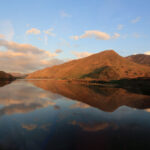
We drive for kilometers running right along the border with Zambia. A couple of hours later we finally reach Chelinda Lodge. There are only two other guests. Looking out across the landscape, you’d never guess you were in Africa. It’s green up here at altitude, with great stretches of pine forest. Nyika means “where the water comes from.” The landscape looks uncannily like Scotland.
There are differences, though. The stand of trees just below the terrace of the main lodge is apparently home to several leopards.
Evening Safari
On our first evening we drive out on safari on our own. The only other people we see during a two-hour drive are a young couple on off-road bikes, camping 500 meters from our lodge.
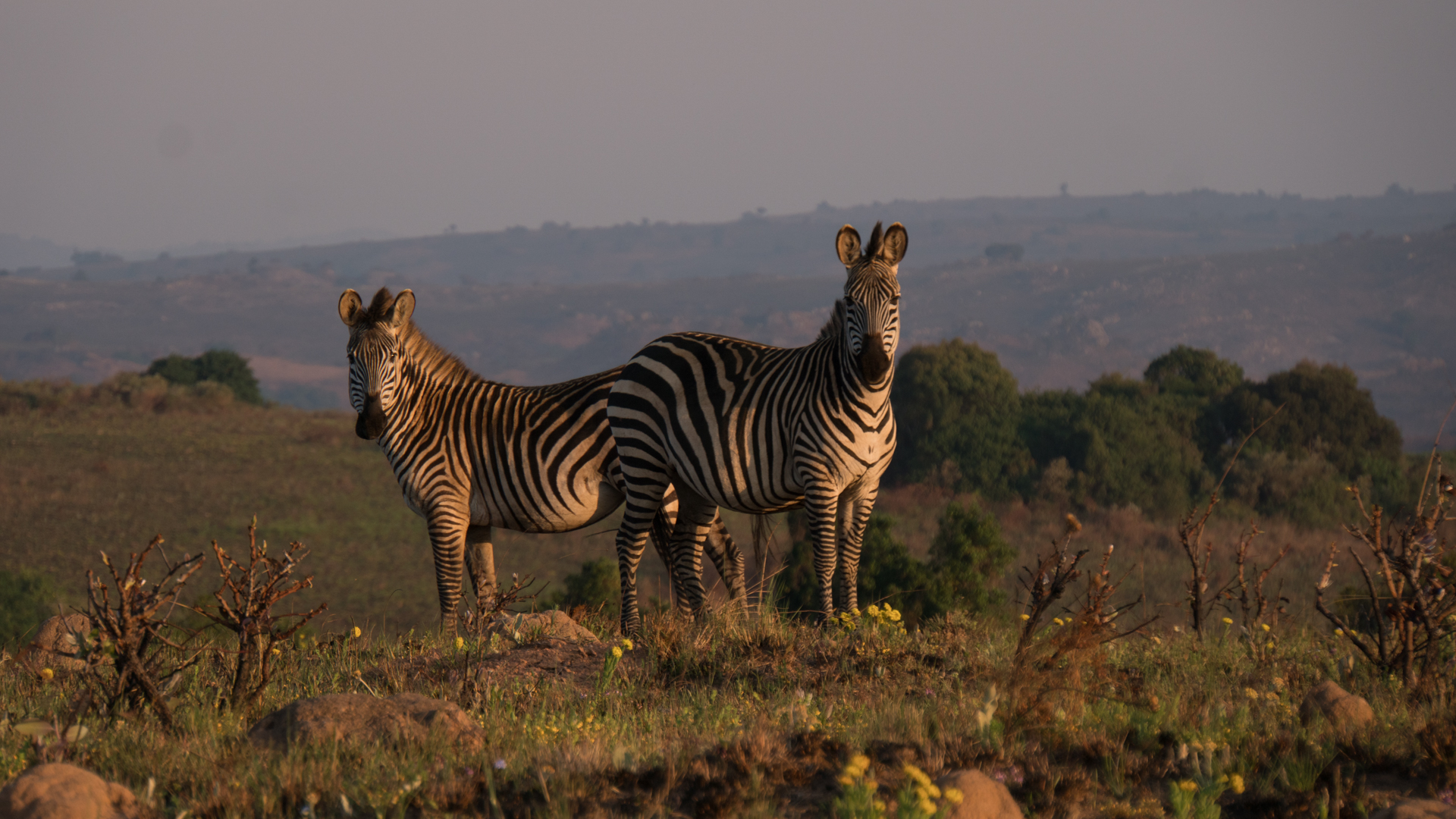
We drive up to the Chosi viewpoint, a great slab of rock at the top of the plateau. There I set up my most expensive Canon camera for a timelapse exposure — one frame every eight seconds, for two hours. There isn’t a soul for miles around. I set up the camera, and we drive on, spotting zebra and roan antelope from the car. Two hours later we drive back up to the viewpoint to retrieve it. This would never have been possible in Jotunheimen or Rondane!
The sunset is spectacular, deep orange. I almost wish I’d just left the camera up there at Chosi Rock. Then I’d have had a reason to go back for it, someday.
Also read about Thailand’s visa free rules.